What can I complain about?
You can complain if a bailiff (enforcement agent) breaks the rules or treats you unfairly. Common complaints include:
- Fees: charging the £247 enforcement fee without a proper visit, charging more than once on linked cases, or adding fees that aren't allowed. See bailiff fees
- Timing: visiting before your Notice of Enforcement deadline, or outside 6am to 9pm
- Entry: forcing entry when they had no right to, or coming in when only children under 16 or vulnerable people were home. See can bailiffs force entry
- Goods: taking protected goods, or goods belonging to someone else. See what bailiffs cannot take
- Behaviour: threats, shouting, misleading you about their powers, or pressuring you to sign a controlled goods agreement
- Vulnerability: ignoring a serious illness, disability, mental health condition, bereavement or young children
- Payment offers: refusing a reasonable offer without looking at your budget
- Wrong person or wrong address: chasing you for someone else's debt
- Body-worn cameras: not recording a visit, or refusing to give you the footage
What should I do before complaining?
- Ask for enforcement to be paused while your complaint is looked at, by both the bailiff firm and the creditor. Many will, especially if you're vulnerable.
- Keep paying if you can. A complaint doesn't cancel the debt. If you've agreed a plan, keep to it so things don't get worse.
- Get free advice if the debt or the fees are large. An adviser can help you complain and deal with the debt at the same time.
What evidence do I need?
- copies of all letters, texts and emails, including the Notice of Enforcement
- a diary of calls and visits: dates, times and what was said
- the bailiff's name or certificate number
- photos, videos or witness details
- proof of payments, and proof of vulnerability, such as a doctor's letter
- the body-worn camera footage of the visit. Bailiffs should record visits. Ask the firm to keep it, and request a copy with a subject access request. It's free, and the firm normally has one month to reply
How do I complain about a bailiff?
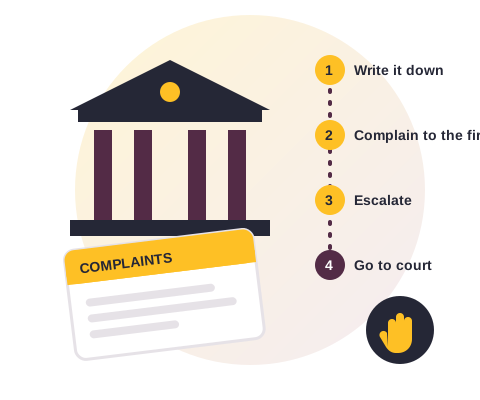
- Complain to the bailiff firm in writing. Explain what happened, which rules you think were broken and what you want: for example, fees refunded, goods returned or an apology. Ask for its complaints procedure. Use our free letter to the bailiff company, or our letter about bailiff fees.
- Copy in the creditor. The creditor, such as your council, is responsible for the bailiffs it uses. It can pause enforcement, take the case back, or tell the firm to put things right. For council debts, use our letter to the council.
- Go to the Enforcement Conduct Board if the firm doesn't resolve it. See below.
- Go to an ombudsman about the creditor, if it's a council debt and you're unhappy with how the council handled it.
- Use the courts for serious breaches, a fees dispute or compensation.
Tip: keep your complaint factual and short. Stick to dates, what happened and what you want, and keep copies of everything you send.
How does the Enforcement Conduct Board work?
The Enforcement Conduct Board (ECB) is the independent oversight body for bailiffs in England and Wales. It sets standards that accredited firms and their agents must meet, and reviews complaints about them.
- You must complain to the firm first, then escalate to the ECB if it isn't resolved.
- It covers enforcement action from 1 January 2025 onwards. For earlier action, use the other routes on this page.
- It covers accredited private firms. It doesn't handle complaints about a council's in-house enforcement officers. Complain to the council instead.
- It's free, and you can get help from a friend, family member or adviser.
In its first nine months, the ECB upheld about half of the complaints it investigated. New ECB standards on vulnerability and ability to pay take effect in January 2027. They require firms to spot vulnerability better and make sure payment plans are affordable.
Where do I complain for each type of debt?
| Type of debt | After the bailiff firm |
|---|---|
| Council tax, parking, business rates | The ECB (private firms), and the council's complaints process, then the Local Government and Social Care Ombudsman (England) or the Public Services Ombudsman for Wales |
| Council in-house enforcement officers | The council, then the ombudsman |
| Magistrates' court fines | The ECB, and HM Courts and Tribunals Service complaints |
| High Court enforcement | The ECB, if the firm is accredited. Fee disputes go to the court |
| County Court bailiffs (court staff) | HM Courts and Tribunals Service complaints |
The ombudsmen can look at how a council handled your case, but normally only after you've complained to the council and given it a chance to respond.
How do I dispute bailiff fees?
Ask the firm for a full breakdown of the fees, with the dates each was added. If you think you've been overcharged, complain to the firm and the creditor. If that doesn't work, you can ask the county court to assess the fees under Civil Procedure Rule 84.16, using an N244 form. The ECB can also look at fee complaints about accredited firms. Its 2026 review found no widespread overcharging, but did find firms applying the fee rules inconsistently.
Can I take a bailiff to court?
- Complain about the bailiff's certificate using form EAC2, sent to the court that issued it. There's no fee, and you won't usually pay costs if you lose, unless the court thinks you abused the process. If the court agrees, it can cancel or suspend the certificate, and order compensation from the bailiff's bond.
- Claim compensation under paragraph 66 of Schedule 12 to the Tribunals, Courts and Enforcement Act 2007 if a bailiff broke the rules and you lost out, for example goods wrongly taken or damage to your home.
- Get goods back: if goods belonging to someone else were taken, the owner can apply to the court to claim them.
Court action can be slow and complicated, so get free advice from National Debtline or Citizens Advice first.
When should I call the police?
Call 999 if you or someone else is in danger. Report to the police if a bailiff assaults or threatens someone, or causes criminal damage, or if someone pretends to be a bailiff or court officer. Call 101 if it isn't an emergency. Bailiffs can ask the police to attend to prevent a breach of the peace, but the police won't help them collect the debt.
What can I get from a complaint?
- an apology and an explanation
- fees refunded or taken off your balance
- goods returned, or their value repaid
- your case returned to the creditor, or put on hold
- an affordable payment plan
- compensation for losses, distress or inconvenience
Be clear in your complaint about what you want. If the firm offers something, you don't have to accept it straight away. Take time to think, or get advice.
Want help dealing with the debt itself?
Tell us about your debts and a licensed insolvency practitioner will call you back to talk through your options. It's free, with no obligation.
Questions about complaining about bailiffs
Who regulates bailiffs?
Bailiffs need a certificate from the County Court. The Enforcement Conduct Board (ECB) is the independent oversight body for enforcement in England and Wales. It sets standards for accredited firms and reviews complaints about them.
Do I have to complain to the bailiff firm first?
Yes, usually. The ECB and the ombudsmen expect you to give the firm, and the creditor, a chance to put things right first.
Can the ECB look at a complaint from 2024?
No. The ECB covers enforcement action from 1 January 2025 onwards. For earlier action, complain to the firm and creditor, then the ombudsman or the court.
Can I complain about a bailiff to the council?
Yes. If the bailiff is collecting a council debt, the council is responsible for them. Complain to both, and use the council's own complaints process.
Will complaining stop the bailiffs?
Not automatically, but you can ask the creditor and bailiff firm to pause enforcement while they look into it. Many will, especially if you're vulnerable.
Can I get the body camera footage of a bailiff visit?
Yes. Ask the firm to keep it, and request it with a subject access request. It's free and the firm normally has one month to reply.
Can I get compensation from a bailiff?
Possibly. A firm may offer it to settle your complaint. If a bailiff broke the rules and you lost out, you can also claim through the court.
Can I get a bailiff's certificate taken away?
You can complain to the court using form EAC2. If the court finds they're not fit to hold a certificate, it can cancel or suspend it.
Sources
- Enforcement Conduct Board
- Enforcement Conduct Board: How to complain
- Citizens Advice: Complaining about bailiffs
- Tribunals, Courts and Enforcement Act 2007, Schedule 12
- The Taking Control of Goods Regulations 2013
- Civil Procedure Rules Part 84 (enforcement by taking control of goods)
- Local Government and Social Care Ombudsman
- National Debtline